
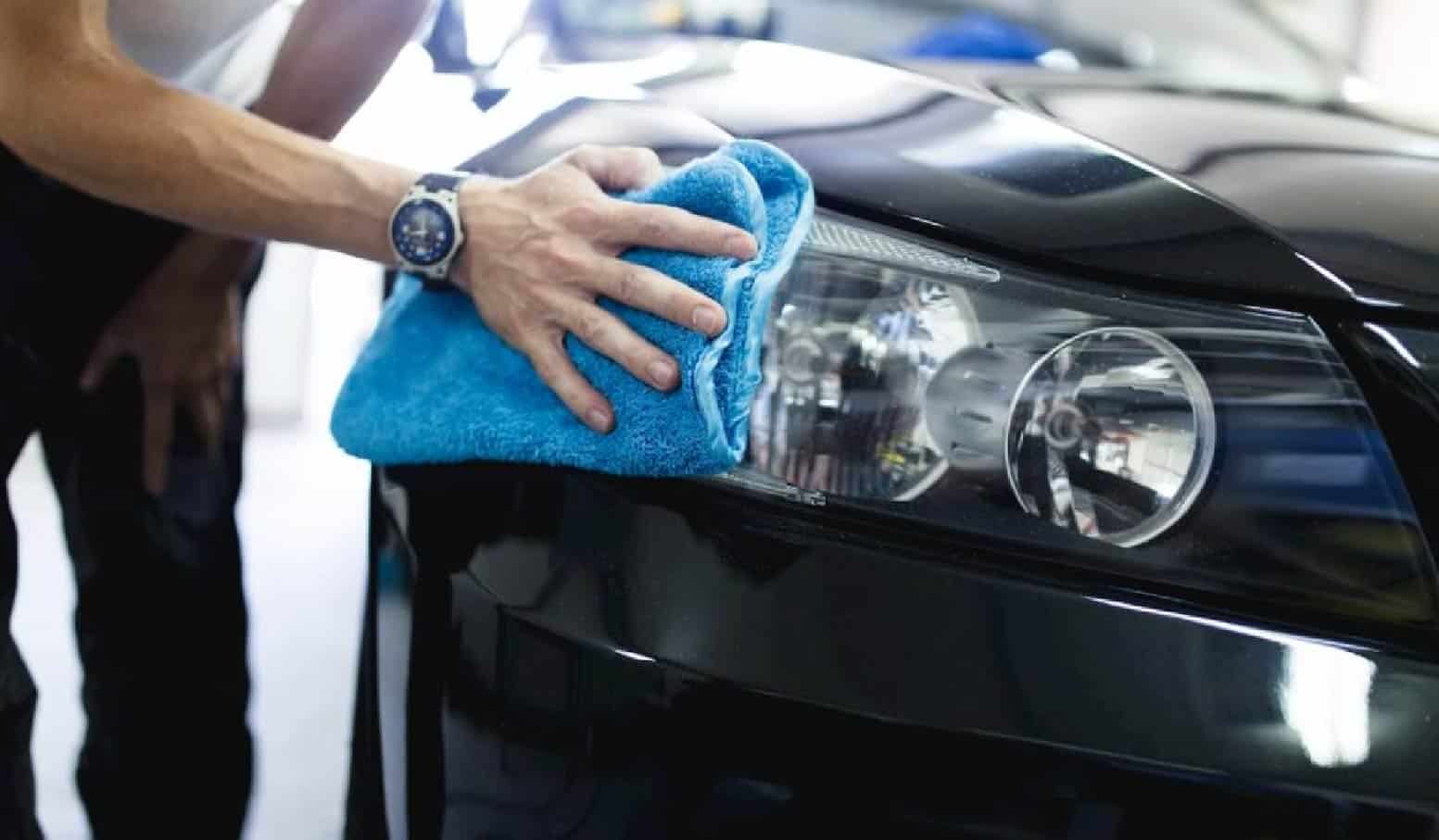
Most of us would agree—driving is a whole lot more fun when you can see what’s in front of you. If you’ve noticed that your headlights don’t cut the dark like they used to, or if they are visibly degraded, stop risking your safety every time you drive at night, you have options. From DIY restoration to the touch of a professional detailer, getting your headlights back on the bright side is as easy as you want to make it.
This blog will discuss the materials, basic steps, and other considerations necessary for any headlight restoration project. At Auto Glow Mobile Detailing in Fort Collins, we have years of experience cleaning and restoring headlights, so if DIY is too daunting, we can help. We don’t promise x-ray vision, but we’re confident we can efficiently restore any set of headlights to their former glory.
Understanding Headlight Degradation
Several factors contribute to headlight degradation, including environmental conditions, natural wear and tear, and poor maintenance.
Causes of Headlight Damage
Oxidation
One of the primary causes of headlight degradation is oxidation of the plastic lens. Over time, exposure to sunlight, UV radiation, and environmental elements can cause the headlight lens to become hazy, yellowed, or cloudy. This can reduce the brightness and effectiveness of the headlights, affecting visibility at night.
Road debris and contaminants
Driving on roads exposes the headlights to various debris, such as rocks, gravel, sand, and chemicals. These can cause scratches, pitting, or chipping on the headlight lens, impairing the light output and potentially leading to water intrusion.
Common headlight issues
Reduced brightness: Headlights may appear dim, making it difficult to see the road clearly at night.
Hazy or yellowed appearance: Oxidation of the headlight lens can result in a cloudy or yellowed appearance, reducing the clarity of the light.
Condensations or foggy interior: Moisture or condensation inside the headlight assembly can distort the light and affect visibility. This is most often caused by physical damage to the headlight lens, such as cracks or chips. If you have this problem, you’ll need to repair or replace the headlight assembly instead of attempting restoration.
Pre-Restoration Preparation
Proper headlight restoration requires specific tools and materials. Here’s a list of items you may need and safety considerations to keep in mind:
Tools and Materials
Headlight restoration kit: Purchase a reputable headlight restoration kit, which typically includes sandpaper or abrasive pads, polishing compound, and a sealant or UV protectant.
Microfiber towels or lint-free cloths: These are used for drying and wiping the headlights.
Masking tape: Use masking tape to protect the surrounding areas of the headlight, such as the paint, bumper, or grille, from accidental scratches during the restoration process.
Spray bottle: Fill a spray bottle with water to mist the headlights during sanding and polishing stages.
Power drill (optional): Some headlight restoration kits may recommend using a power drill with a polishing attachment for efficient polishing. Check the instructions provided with your kit.
Protective gloves: It’s a good idea to wear gloves to protect your hands from chemicals or abrasive materials during the restoration process.
Eye protection: Wear safety goggles or glasses to protect your eyes from any debris, chemicals, or flying particles that may be generated during the restoration process.
Other Tips
Work in a well-lit area: Choose a well-lit location to ensure you can see the condition of the headlights clearly and perform the restoration process effectively.
Follow kit instructions: Read and follow the instructions provided with the headlight restoration kit carefully. Different kits may have specific steps or variations in the process, so it’s important to understand and adhere to the manufacturer’s guidelines.
Avoid contact with other surfaces: During the restoration process, be careful not to allow any chemicals, abrasive materials, or residue from the headlights to come into contact with surrounding surfaces, such as painted areas of the car.
Step-by-Step Headlight Restoration Process

Step 1: Cleaning and Masking the Surrounding Area
Start by thoroughly cleaning the headlights using a mild soap or automotive cleaner and water. Remove any dirt, grime, or residue from the surface.
Rinse the headlights with clean water and dry them completely using a microfiber towel or lint-free cloth.
Use masking tape to cover and protect the surrounding areas of the headlight, such as the paint, bumper, or grille, to prevent accidental damage during the restoration process.
Step 2: Wet Sanding and Polishing the Headlights
Wet the headlight surface with water using a spray bottle.
Begin with a lower grit sandpaper or abrasive pad (e.g., 800 grit) from your restoration kit. Apply it to the wet headlight surface and sand in a back-and-forth motion, applying light pressure.
Keep the headlight surface and sandpaper wet during the sanding process to prevent overheating and ensure smooth sanding. Reapply water as needed.
After sanding with the initial grit, move to a higher grit sandpaper (e.g., 1000 or 1500 grit) and repeat the sanding process. This helps to refine the surface and remove deeper scratches or imperfections.
Rinse the headlights with water and inspect the surface. If necessary, proceed to an even higher grit sandpaper (e.g., 2000 grit) and repeat the sanding process until you achieve a smoother and clearer surface.
Dry the headlights with a microfiber towel or lint-free cloth.
Step 3: Applying a Polishing Compound
Apply a small amount of the polishing compound from your restoration kit onto a clean, soft cloth or a polishing pad attached to a power drill (if recommended by the kit instructions).
Work the polishing compound onto the headlight surface using circular motions, applying moderate pressure.
Continue polishing until you notice an improvement in the clarity and shine of the headlights. Wipe off any excess polishing compound using a clean microfiber towel or lint-free cloth.
Step 4: Applying a Protective Sealant
Apply a layer of the protective sealant or UV protectant included in your restoration kit. Follow the instructions provided with the specific product.
Use a clean cloth or applicator pad to evenly distribute the sealant over the entire headlight surface.
Allow the sealant to dry or cure as per the manufacturer’s instructions. Again, remember to use caution throughout the process and refer to the instructions provided with your specific restoration kit for the best results.
Once the sealant has dried, remove the masking tape from the surrounding areas of the headlights—and you’re done! You should notice the fruits of your labor the next time you drive in the dark.
Alternative DIY Methods for Headlight Restoration
There are alternative methods for headlight restoration that involve household items or over-the-counter restoration kits.
Additionally, a professional detailing company like Auto Glow can take care of it for you, removing the hassle and guesswork of tracking down and purchasing materials and following DIY steps
Toothpaste and Baking Soda Methods
Some people use toothpaste as a DIY headlight restoration method. It typically involves applying toothpaste to a damp cloth and rubbing it onto the headlight surface in a circular motion. Toothpaste contains mild abrasives that can help remove oxidation. However, the effectiveness may vary, and it may not provide long-lasting results.
Baking Soda: Similarly, baking soda mixed with water can be used as a paste to scrub the headlights. Baking soda is slightly abrasive and can help remove surface contaminants. However, like toothpaste, its effectiveness may be limited for severe headlight degradation.
Over-the-Counter Restoration Kits
Over-the-counter headlight restoration kits are widely available and often provide more comprehensive solutions than household methods. These kits typically include various abrasive pads or sandpapers, polishing compounds, and a protective sealant.
They are designed specifically for headlight restoration and may offer better results compared to DIY methods. Follow the instructions provided with the kit for best results.
DIY vs. Professional Restoration

The DIY approach can be cost-effective and convenient, especially for mild to moderate headlight degradation. It allows you to work at your own pace and can save a bit of money compared to professional services. However, it requires time, effort, acquiring the right products and materials, and attention to detail. Results may vary based on your experience, tools, and materials used—with DIY, there’s a good chance you can sink a lot of time and effort for a less-than-desirable result.
Professionals have expertise, specialized tools, and professional-grade products that can provide high-quality results. Professional restoration can be a suitable option for severe degradation or if you prefer a hands-off approach.
If you have older vehicles with extremely degraded headlights, a call to a professional like Auto Glow will likely save you a lot of time and frustration. We come out to you, so you won’t even have to drive anywhere.
Preventive Measures for Headlight Protection
To protect your headlights from damage and degradation, there are several preventive measures you can take. One of the most important things you can do, however, is simply park your vehicle out of the sun and in a garage or covered parking area whenever possible; this helps reduce headlight degradation due to UV exposure.
Here are some other key options to consider:
UV Coatings and Films
UV Coatings: Applying a UV protective coating directly to the headlight surface can help prevent UV damage and discoloration. These coatings act as a barrier against UV rays and help maintain the clarity and integrity of the headlights over time. UV coatings are available as DIY kits or can be applied by professionals.
UV Films: Another option is to apply UV protective films to the headlights. These transparent films provide a protective layer that blocks UV rays and helps prevent fading, yellowing, and oxidation. UV films are generally available in pre-cut shapes that can be applied directly to the headlight surface.
Headlight Covers and Protectors
Protective Covers: Headlight covers, also known as headlight protectors or guards, are made of durable materials such as polycarbonate or acrylic. These covers are designed to fit over the headlights and provide an extra layer of protection against debris, rocks, and other potential hazards. They can help prevent scratches, cracks, and pitting on the headlight surface.
Protective Films: Clear protective films, often made of a strong polyurethane material, can be applied directly to the headlight surface as a protective layer. These films are resistant to impacts, scratches, and UV rays. They offer an additional level of protection while maintaining the original appearance of the headlights.
Contact Auto Glow to Get Your Headlights Restored
If DIY isn’t your speed, contact Auto Glow Mobile Detailing to take the headache out of headlight restoration. If you live in Northern Colorado, we’ll come to you. Safer, more enjoyable night driving is just a phone call away!
